too day world news
Can U.S. tariffs sour Canada’s “Sweet Kiss”?https://www.effectiveratecpm.com/rh0vrpwe0?key=16772772b2365b22679bd1bf0f7937cc
Maple syrup is linked to Canada’s national identity and economy. Threats of U.S. tariffs makes the trade relationship between the two natiions quite sticky.https://www.effectiveratecpm.com/rh0vrpwe0?key=16772772b2365b22679bd1bf0f7937cc
WHAT WE DO
On our news site and in classrooms across the world, News Decoder informs, connects and empowers young people to be engaged citizens and changemakers locally, nationally and globally.
LATEST NEWS
Top Tips: To tell a big story find one that’s small
The more complicated an issue is, the more you need to humanize it and make it comprehensible. That’s where the anecdote comes in.
Will the Vatican find its next pope in an unlikely place?
With many fearing Pope Francis won’t survive his latest illness, the Catholic Church prepares for the world’s most secretive election. Here’s what to expect.
Decoder Replay: The importance of Ukraine to the world
On the third anniversary of Russia’s invasion of Ukraine we return to the question we asked our correspondents then. Why should the world care?

Youth Voices
Read the winning stories from our most recent youth storytelling contest.
More in Youth Voices. Learn how your school can get involved.

Open Access Resources


Clubs

Learn More About Our Mission

News Decoder Updates


Decoders

Decoder Replay: The importance of Ukraine to the world
On the third anniversary of Russia’s invasion of Ukraine we return to the question we asked our correspondents then. Why should the world care?

Decoder Replay: Should we erase history we don’t like?
A Chinese AI program negates the Tianenmen Square uprising. Google Calendar has struck oout Black History Month. Why remember the scars of the past?
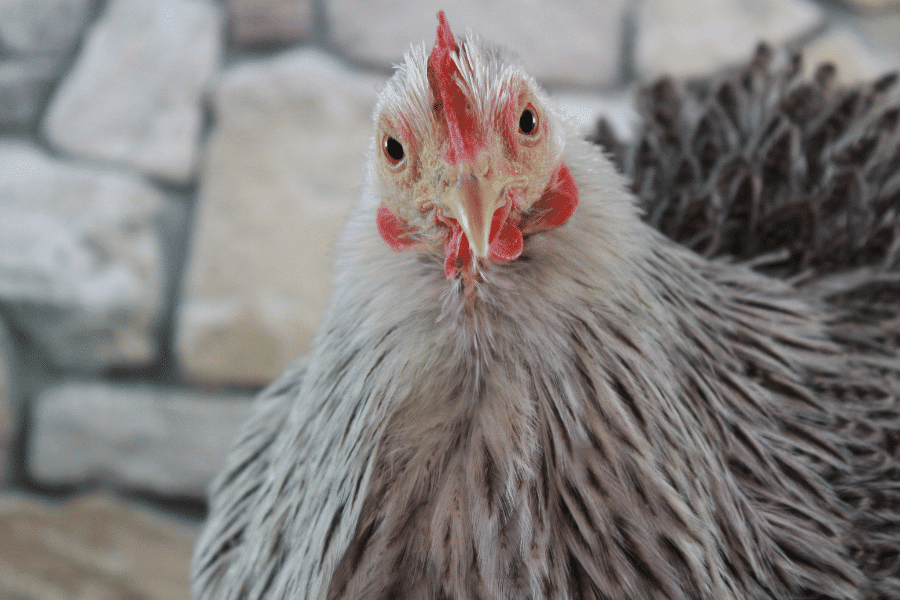
Decoder: What’s all the flap about bird flu?
For decades, doctors have worried about bird flu becoming a global pandemic. With cases now in the United States, is it time for the rest of us to worry?


News Decoder Updates

Does the press affect how we think about government?
If democracy depends on the support of an informed public what does it mean when people distrust what they read and hear in the news?

Some news to peruse: Our top 10 list
We’ve traveled the world this past year. The stories our readers connected to most were all over the map.

Volcanoes, floods, transnational conflicts and more in 2024
Take our end of year quiz to see if you’ve been a News Decoder
Decoder Replay: The importance of Ukraine to the world
On the third anniversary of Russia’s invasion of Ukraine we return to the question we asked our correspondents then. Why should the world care? People put flowers at a memorial for killed civilians during a ceremony to mark the third anniversary of the Russian...

The world applauds an indie filmed in Hindi
It’s been a decade-long journey from film school to red carpet for Mumbai director Payal Kapadia. If you want to follow her path she’s got some advice. Director Payal Kapadia at 2024 Cannes Film Festival for the world premiere of the film “All We...
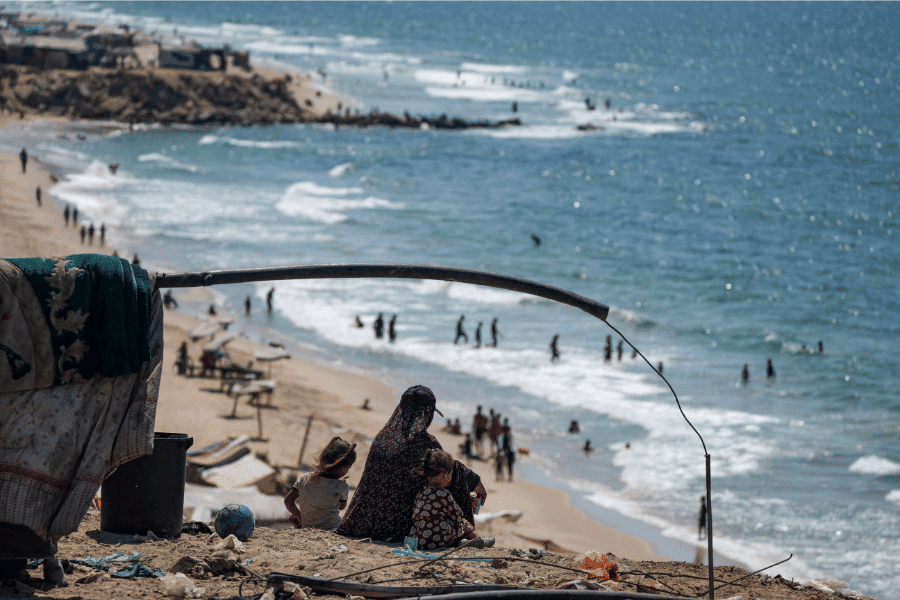
Trump’s idea of peace in Gaza? Hotels and yacht clubs.
The U.S. real estate developer-in-chief sees profit potential in the beaches of Gaza. But the forced relocation of people is a crime against humanity. Palestinians displaced by the war between Israel and Hamas, take refuge in a tented settlement along the...
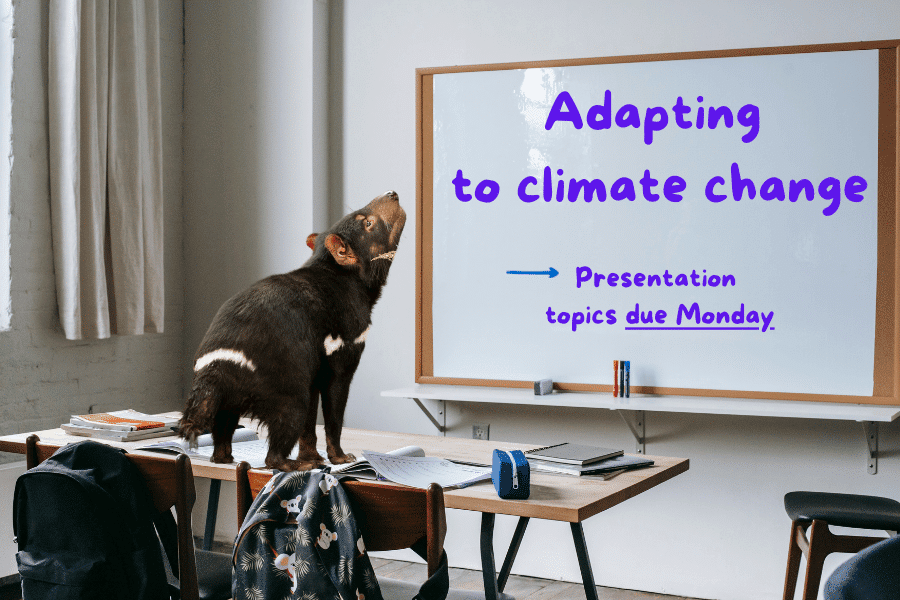
Teaching students they don’t have to change the world
In Tasmania, students are learning how to prepare for a warmer planet and ways they can realistically help slow down climate change. A Tasmanian devil in a classroom. (Illustration by News Decoder) This article was adapted from the second episode of EYES on Climate, a...
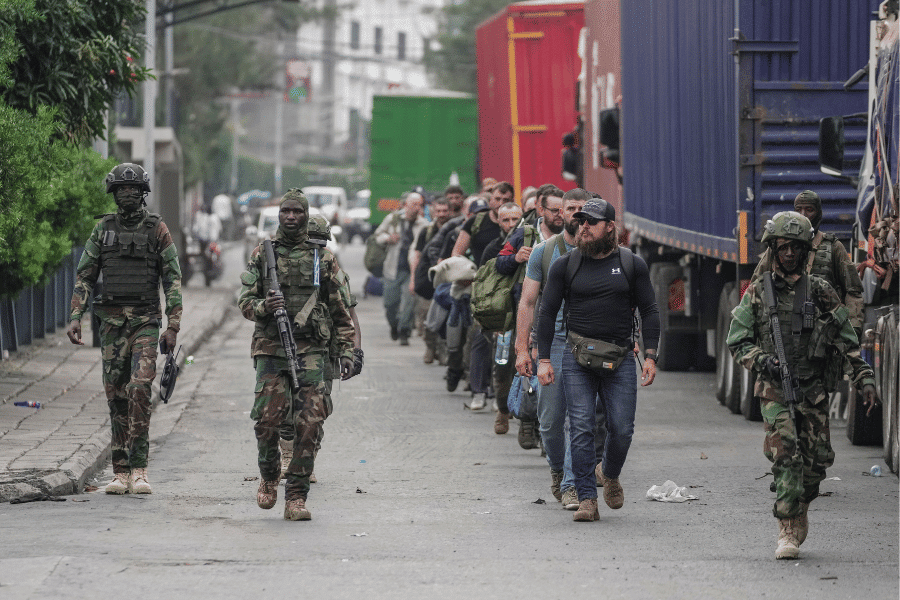
Decoder: Can regional leaders help bring peace to DR Congo?
African leaders work to contain intensified conflict in the eastern part of the Democratic Republic of the Congo and ensure it won’t spread to neighboring nations. M23 rebels release captured Romanian mercenaries, who were fighting alongside Democratic Republic...

Human rights are not just for those in power
One young Ugandan activist says its time for her generation to stand up and exercise the power their constitution gives them. Aloikin Praise Opoloje staging a naked protest in Kamapala, Uganda, 21 September 2024. (Photo courtesy of Aloikin Praise Opoloje) This article...
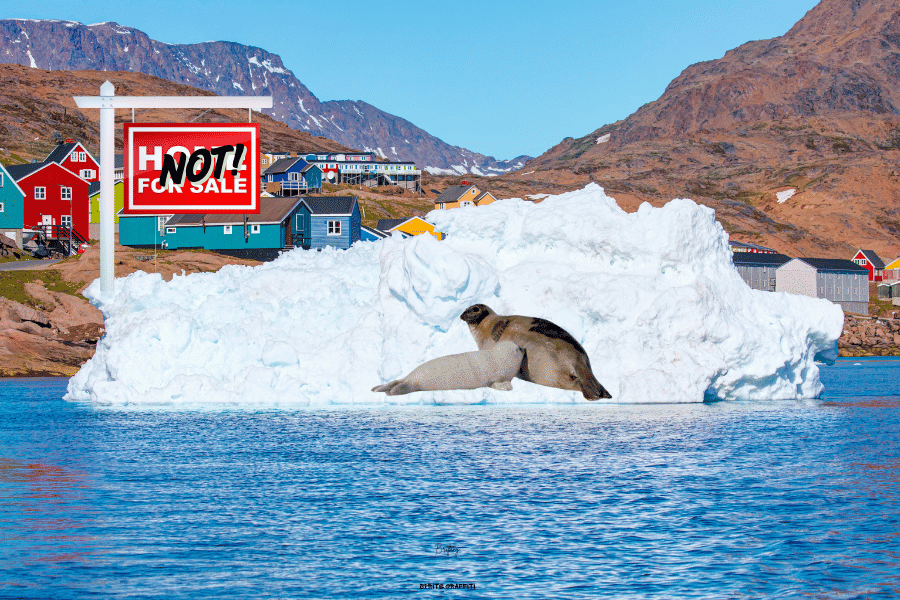
Decoder: Would you sell your country to Trump?
Long ignored by much of the world, Greenland finds itself stanned by Donald Trump. How do the 56,000 people who live there feel about this uninvited attention? Imagining two harp seals lying on melting ice by a “not” for sale sign in Tasililaq, East...
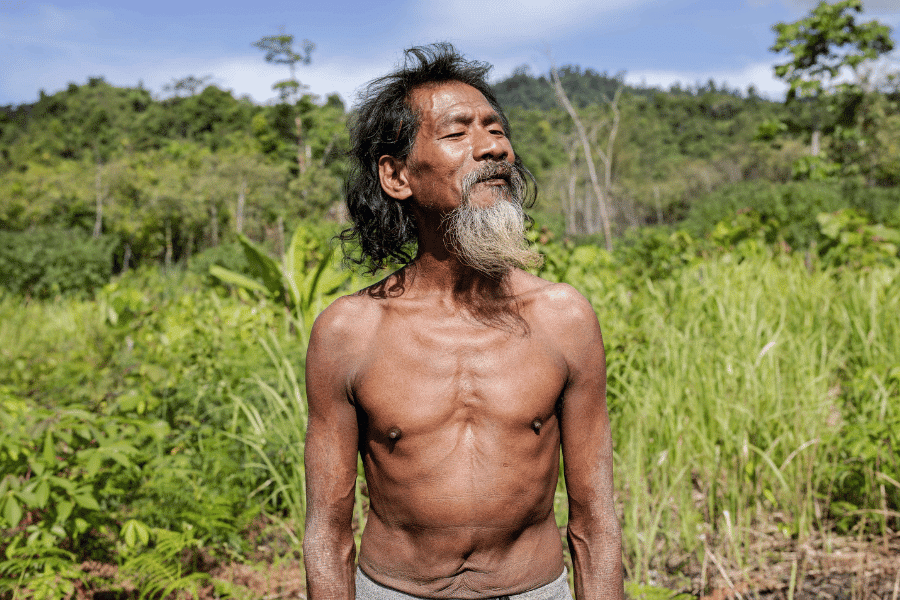
The people who live where nickel is mined
In remote villages live some of the last nomadic tribes in Indonesia. But nickel mining is disrupting their lives and poisoning their land. Bawehe Bidos, 68, from the O’Hongana Manyawa tribe poses for a photo in a remote Indigenous village in the Halmahera...
Decoder Replay: A nation more than syrup and hockey sticks
Trump isn’t the only American who considers Canada the 51st state. It shares a continent but it is its own nation and a big player in world affairs. A cyclist rides past the sign for the U.S.-Canada border at the Peace Arch Historical State Park in August 2021...

Bridging the world’s research and data divide
At the United Nations University, researchers and policy makers across the globe work together to solve big problems and share knowledge. Dr. Erick Tambo, an associate academic officer at the United Nations University Vice-Rectorate in Bonn, Germany and head of the...
Trump isn’t the only American who considers Canada the 51st state. It shares a continent but it is its own nation and a big player in world affairs.
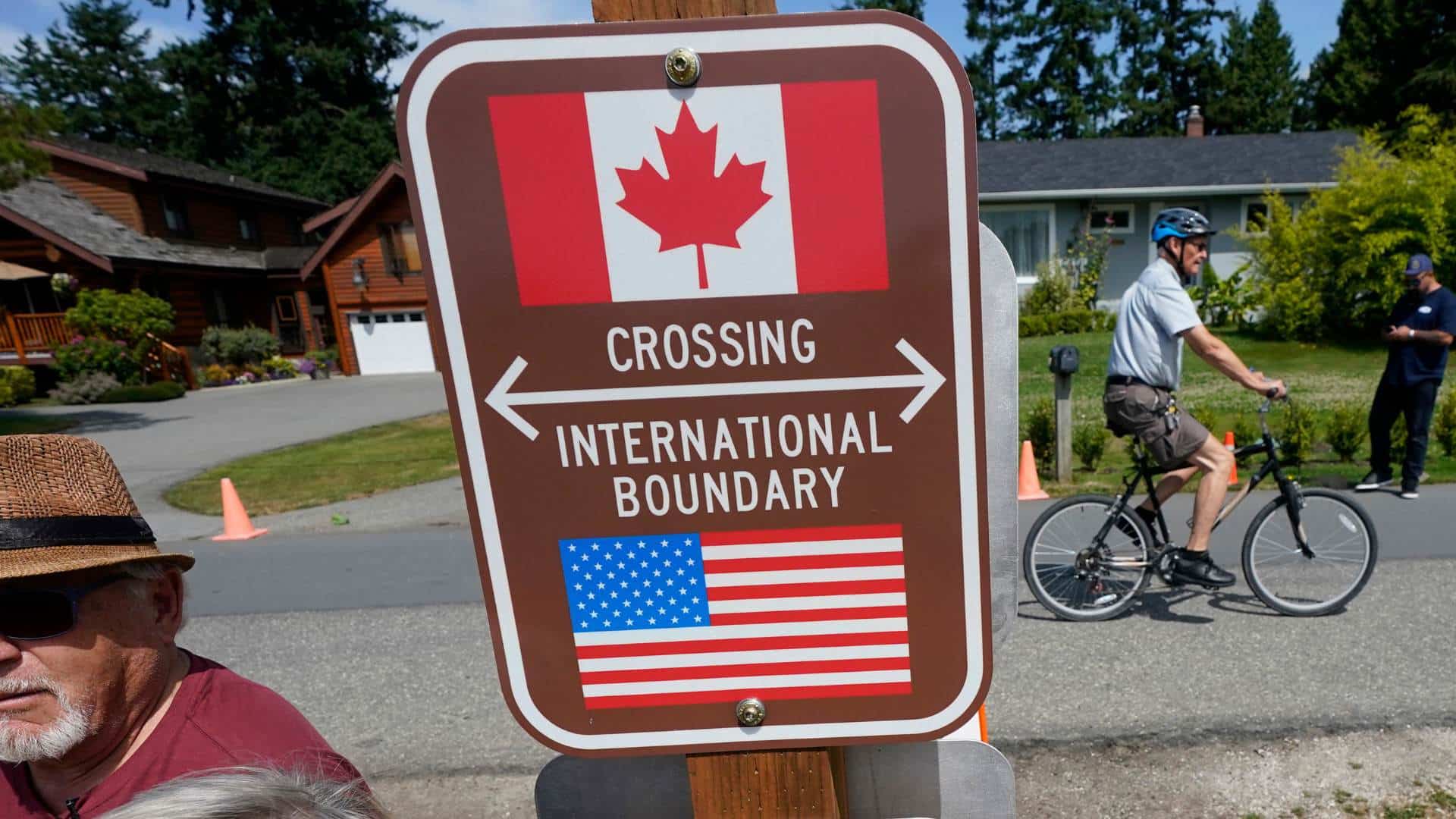
A cyclist rides past the sign for the U.S.-Canada border at the Peace Arch Historical State Park in August 2021 in Blaine, Washington, a state in the northwest corner of the United States. (AP Photo/Elaine Thompson)
Editor’s note: In a post on social media 18 December, then-incoming U.S. President Donald Trump addressed Canadian Prime Minister Justin Trudeau as the “governor” of the “Great State of Canada” echoing a common joke in the United States that Canada is its’ 51st state. On 6 January, Trudeau announced he will resign his post in response to his own political troubles.
Meanwhile, Trump has threatened to impose tariffs on the import of Canadian products, which would make them more expensive to U.S. consumers and disrupt the free flow of goods established under the U.S.-Mexico-Canada Act negotiated during his previous presidential term. This month, Canada announced it would stop hikers from crossing the border on the Pacific Crest Trail, a 4,265-kilometer-long route from Mexico to Canada, who have not presented their passports at a formal border crossing.
In this Decoder Replay, we republish a story by correspondent Leah Eichler, originally published October 2022, that explains what makes Canada different from its southern neighbor. We launched Decoder Replay to help readers better understand current world events by seeing how our correspondents decoded similar events in the past.
Polite, quick to apologize, a predisposition to saying the word “eh,” plays hockey weekly, eats at Tim Hortons daily and loves poutine.
Did I mention, “eh?”
Canada conjures up many stereotypes internationally — some fitting, some cringe-worthy. Polite? Ha! Try driving through the streets of downtown Toronto during rush hour, and you will see that we are not all polite.
I rarely hear the phrase “eh” in urban areas, but if a friend or acquaintance does accidentally let one slip, they get mocked for days.
Outside our borders, it appears many — even Americans — know quite little about us, except for perhaps a passing knowledge of our politics.
Prime Minister Justin Trudeau, with his beautiful hair and yoga poses. Or Doug Ford, the bombastic premier of Ontario, Canada’s largest province, whom many internationally consider our Trump (he’s not). In fact, many still mistake him for his younger brother, Rob Ford, the former mayor of Toronto famous for being on Jimmy Kimmel and smoking crack in a home video.
Why Canada matters
So, what does it mean to be Canadian and why does Canada matter? That question is harder to answer than it may seem.
Margaret Atwood, one of Canada’s most famous writers, wrote in her quintessential book about Canadian literature, “Survival: A Thematic Guide to Canadian Literature,” that the defining characteristics of our literary works, and by extension our identity, rests on survival, be it against nature or history.
Many years ago, a university professor of mine said the defining characteristic of being Canadian is knowing that you are not an American. While that statement was controversial, our proximity to the world’s biggest superpower leaves a large shadow.
Taken together, why Canada matters has lots to do with our survival and our proximity to the United States.
To dispel some of these myths, and offer a brief lesson on things Canadian, I present a short list of reasons why Canada matters:
Trading partners
For a country with a smaller population than the state of California, $2 billion in trade passes between Canada and the United States each day. The biggest exports to the United States are crude oil and cars and motor vehicle parts. Some of the biggest imports to Canada are also cars, crude oils and car parts.
Canada has one of the highest rates of immigration per capita of any country in the world. Every year, Canada receives around 300,000 new immigrants, and as of 2021, there were more than eight million immigrants with permanent residence status living in Canada, which is about 21.5% of the country’s entire population of 38 million.
The highest number of immigrants come from India, followed by China and the Philippines. In contrast to the United States, immigration is viewed quite favourably by the Canadian public.
Yes, it looks colourful and maybe funny, and our one-dollar coin is called the loonie (the two-dollar coin is called a toonie!), but it’s very stable. As a liberal democracy with a solid financial and banking system, the Canadian dollar has won over central banks internationally, which now hold about $300 billion in Canadian dollars, turning it into an international currency.
While it may not be accepted in as many countries as the U.S. greenback — I wouldn’t even try to buy a coffee with Canadian currency in a different country — this trend towards investing in the Canadian dollar was nearly non-existent 20 years ago.
A different approach to health care
Canada’s health care system is universal and delivered by the provinces. Residents are given a card that they show every time they visit a doctor or medical clinic. It covers about 70% of an individual’s medical needs.
What it doesn’t cover includes prescription drugs, dental services and eyeglass or contact lenses. A new proposal by the NDP party of Canada would create a new dental program for low-income Canadians. While our health care system is a point of pride, it’s far from perfect, with long wait times to see specialists and an overwhelmed hospital system.
You read that correctly. At 3,855,100 square miles, Canada’s land mass is slightly larger than that of the United States, which occupies 3,796,742 square miles.
For those who think many Canadians are perpetually freezing while living in the tundra, more than 90% of all Canadians live within 150 miles of the U.S. border. On that note, the Canadian-U.S. border is the longest bi-national border in the world.
While we may have been the last stop on the underground railroad, Canada is not immune to extremism. Racism is still pervasive, with nearly half of all Black people over 14 acknowledging they have been victims of racism.
The country’s genocidal treatment of its aboriginal population has led to increased soul searching over the last few years. For more than 100 years, aboriginal children were forcibly removed from their homes by the government and sent to residential schools for assimilation. Many were physically and sexually abused, and thousands never returned home. Last year, more than 200 unmarked graves were discovered at a residential school site.
Just for fun, there are many famous people who are proud Canadians!
• Justin Bieber
• Jim Carrey
• Drake
• Ryan Gosling
• Simu Liu
• Keanu Reeves
• Ryan Reynolds
• Abel Makkonen Tesfaye, known as The Weeknd
• Finn Wolfhard
Questions to consider:
1. Can you give three reasons why the author says Canada matters?
2. What does the author mean by “genocidal treatment of Canada’s aboriginal population”?
3. What are three reasons you would give why your country matters? And three skewed stereotypes?

Leah Eichler launched her career as a journalist working for the Jerusalem Report. Her success in the Middle East led to a 13-year career at Reuters, during which she interviewed Salman Rushdie, Henry Morgentaler and the Nazi-hunter Simon Wiesenthal. Eichler then spent seven years as a columnist for the Globe and Mail in Canada. She is currently the managing editor of Esoterica Magazine.

Comments
Post a Comment